




















As artificial intelligence, biotechnology, and digital innovation reshape society, Benedictine College students are stepping into the conversation — not just as future professionals, but as Catholics seeking to uphold human dignity in a rapidly changing world.
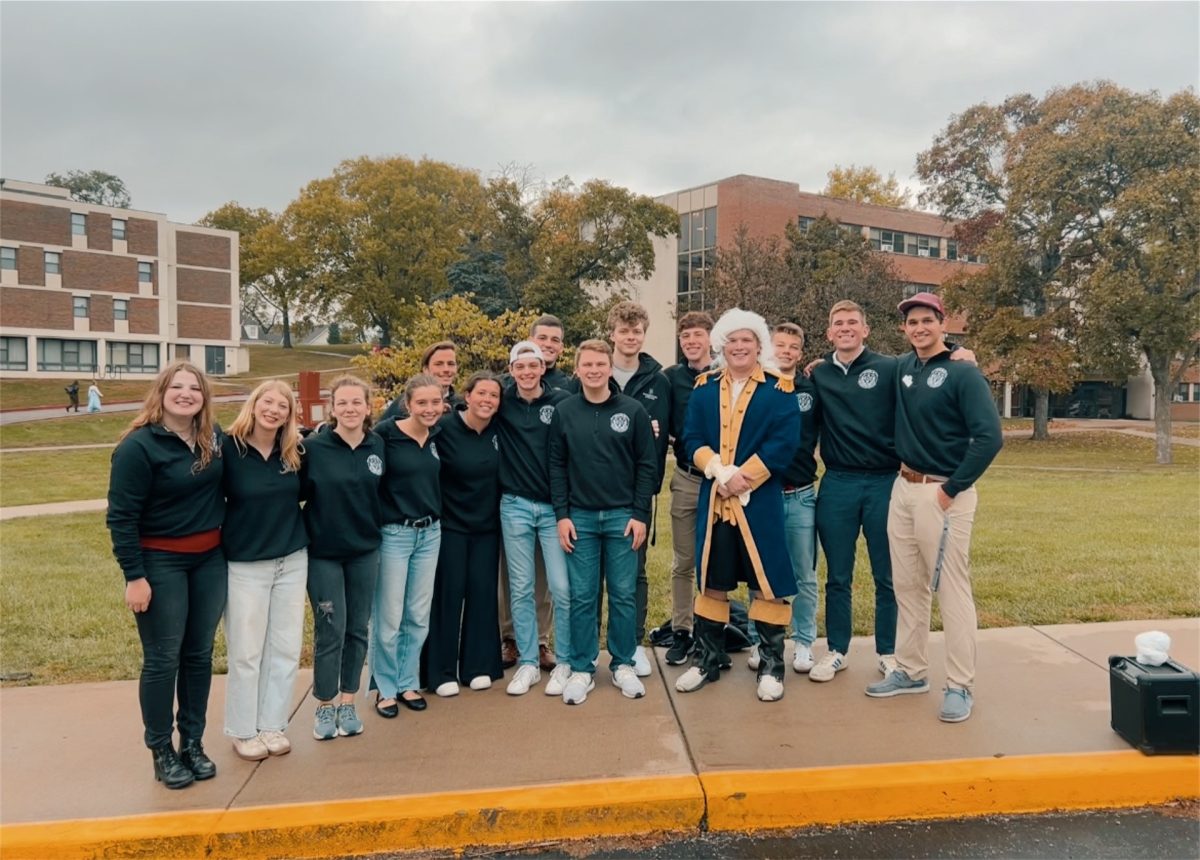
The newly formed Technology and Human Dignity Student Club, created in partnership with the Center for Technology and Human Dignity, aims to explore how faith can guide the use of emerging technologies.
The idea for the club grew out of discussions following a series of campus lectures hosted by the Center last year. Students expressed a growing interest in how technological advances — from AI to bioethics — intersect with Catholic teaching.
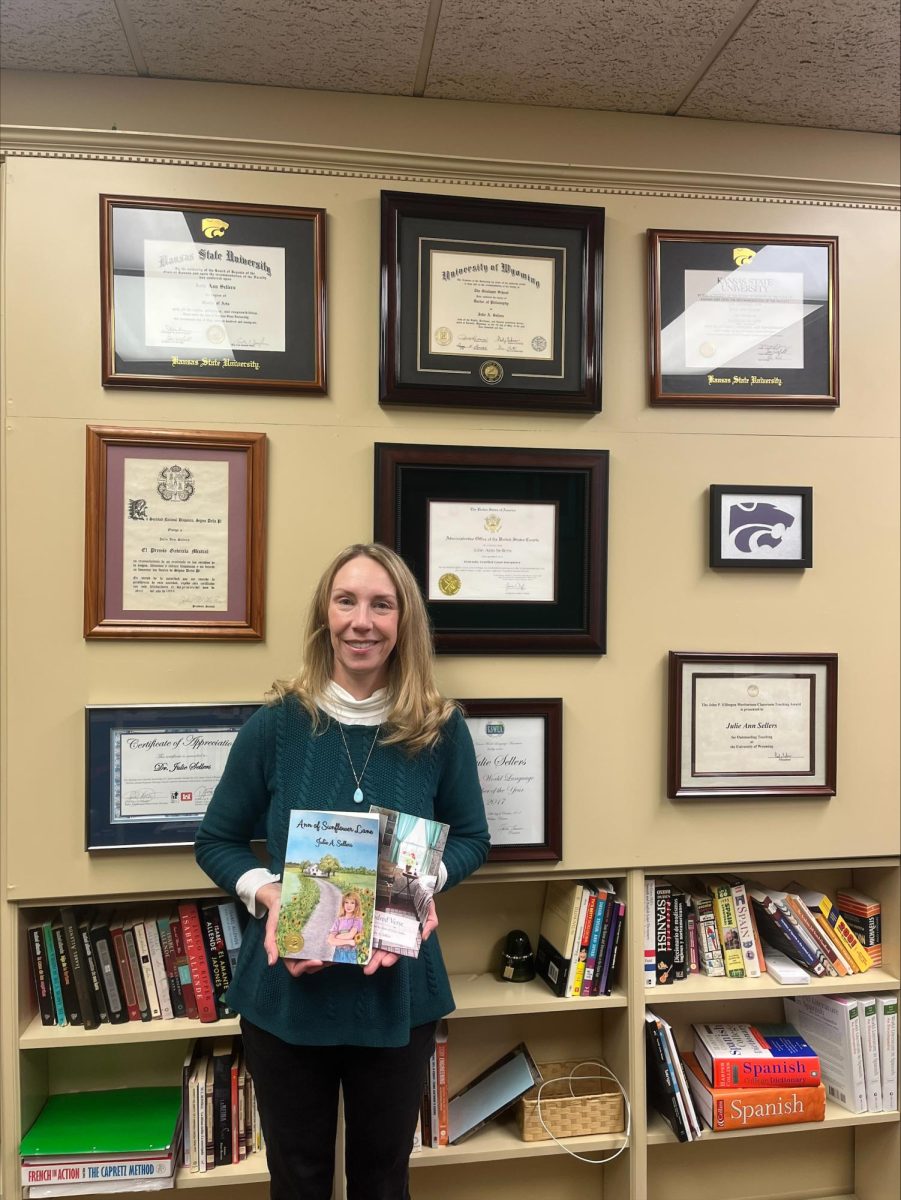
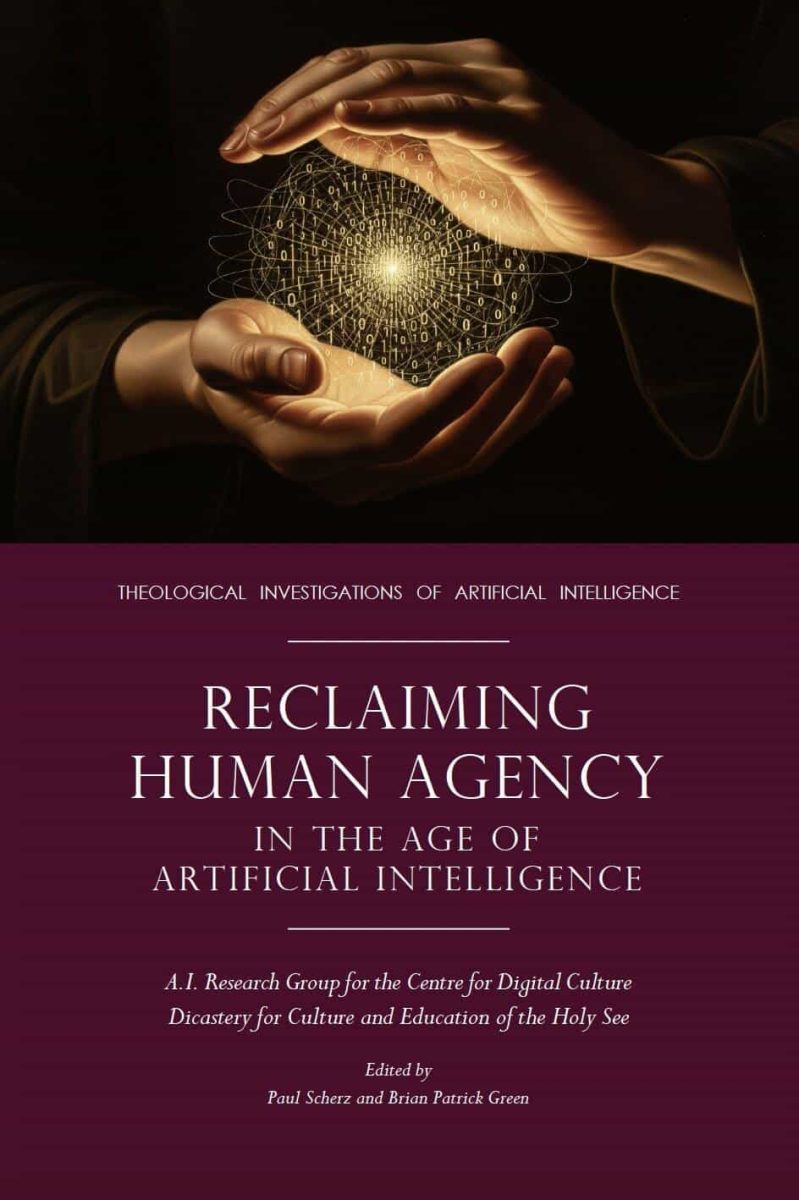
In response, Dr. Mariele Courtois, theology professor and bioethicist, member of the Vatican Dicastery for Culture and Education’s research division, and Director of the Center, worked with interested students to establish a formal organization where those conversations could continue.
“The student club will leverage the connections of the Center for students to engage with scholars and professionals who are already grappling with issues at the forefront of technology development, as well as offer a way for students to make a direct impact on campus life by encouraging a culture of responsible technology use.”
Drawing inspiration from Pope Leo XIII’s encyclical Rerum Novarum — a text addressing the moral questions of industrialization — the club seeks to respond to today’s digital and biotechnological revolutions with that same spirit of wisdom and clarity. The club emphasizes four main goals:
1. Education on critical issues in technology and ethics.
2. Authentic experiences that highlight the proper role of technology in human life.
3. Promotion of technology oriented toward the common good.
4. Vocational preparation for ethical leadership in technology-related fields.
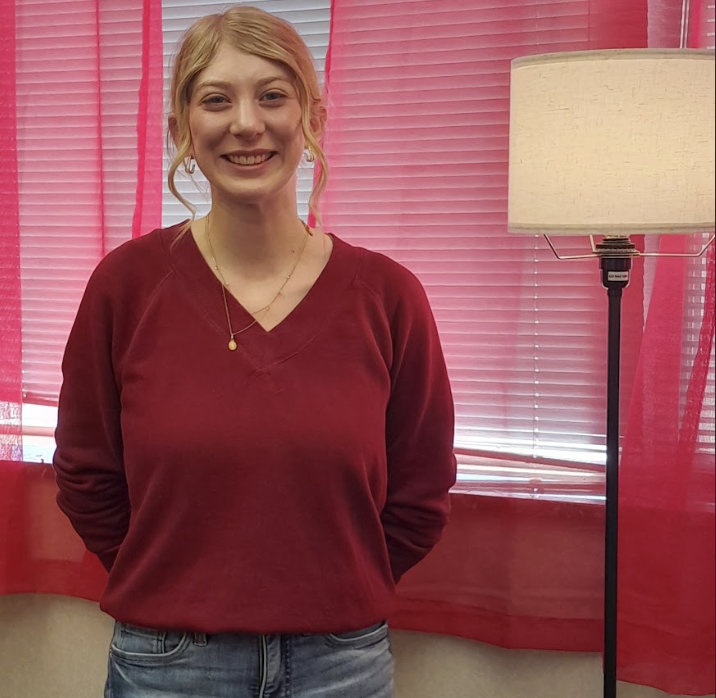
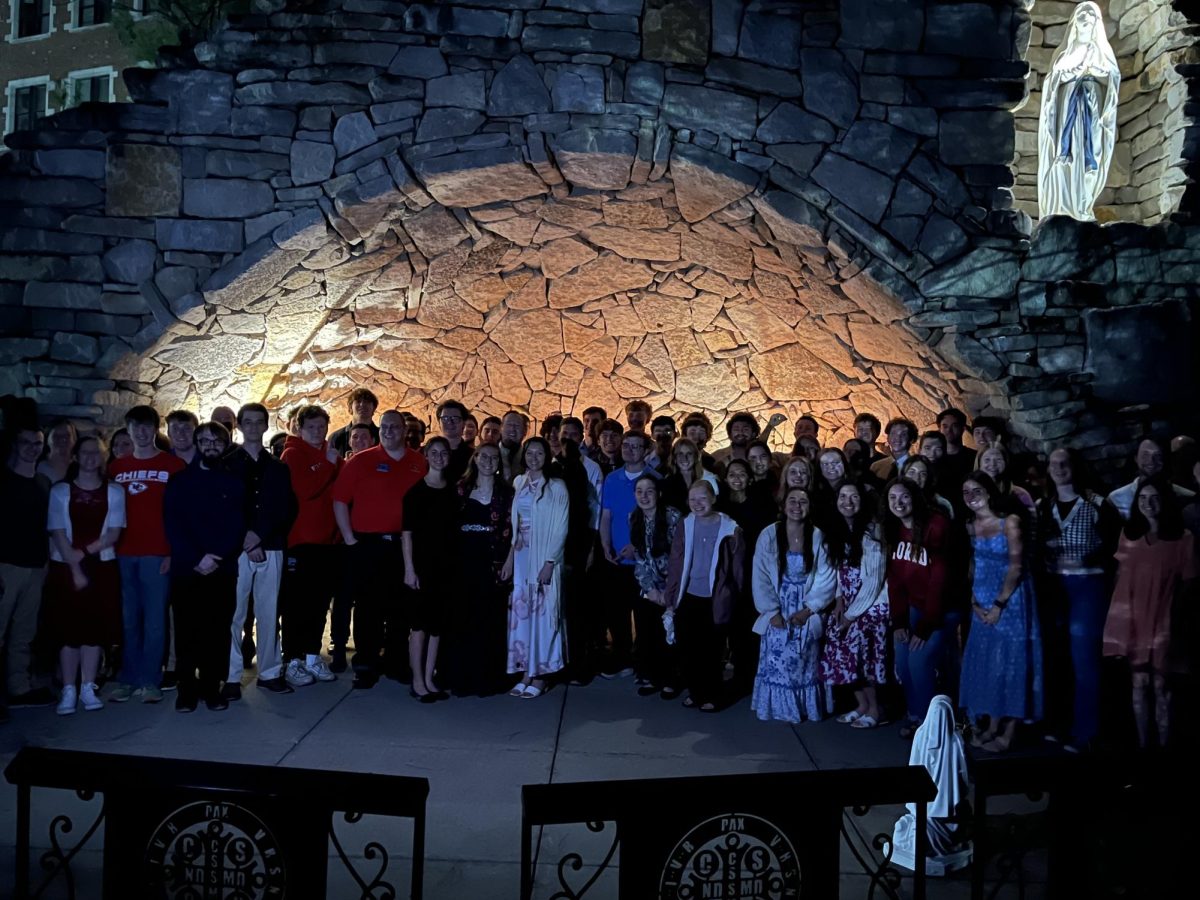
To accomplish these goals, the group plans to host speakers, organize visits to professionals in related industries, and create discussion opportunities that unite faith, reason, and innovation. The club’s first executive board includes Co-Presidents Lucia Smoorenberg and Maria Draves, Historian Rosaria Cuccia, Secretary Anthony Zuzolo and Treasurer Daniel Osborne. The officers will coordinate meetings, manage upcoming events, and oversee new membership efforts throughout the year.
“As students, what we learn should be in accordance with our nature, which is one of integrality, fullness, and relationality, and education-wise, this can be fulfilled in viewing and discussing topics in relation to other topics, which ultimately allows us to learn about the world and about ourselves as God created—not separated, stagnant, and individual, but united, connected, and living” Smoorenburg said.
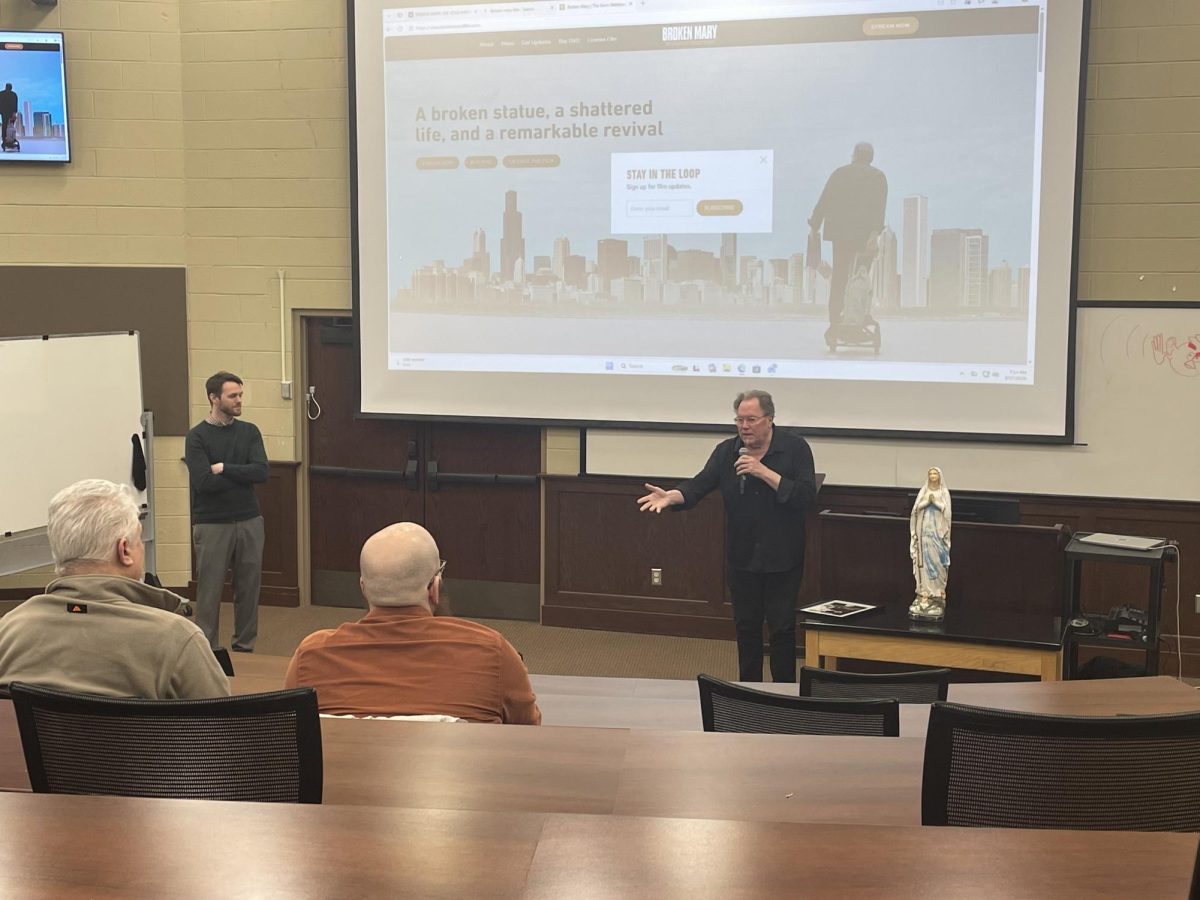
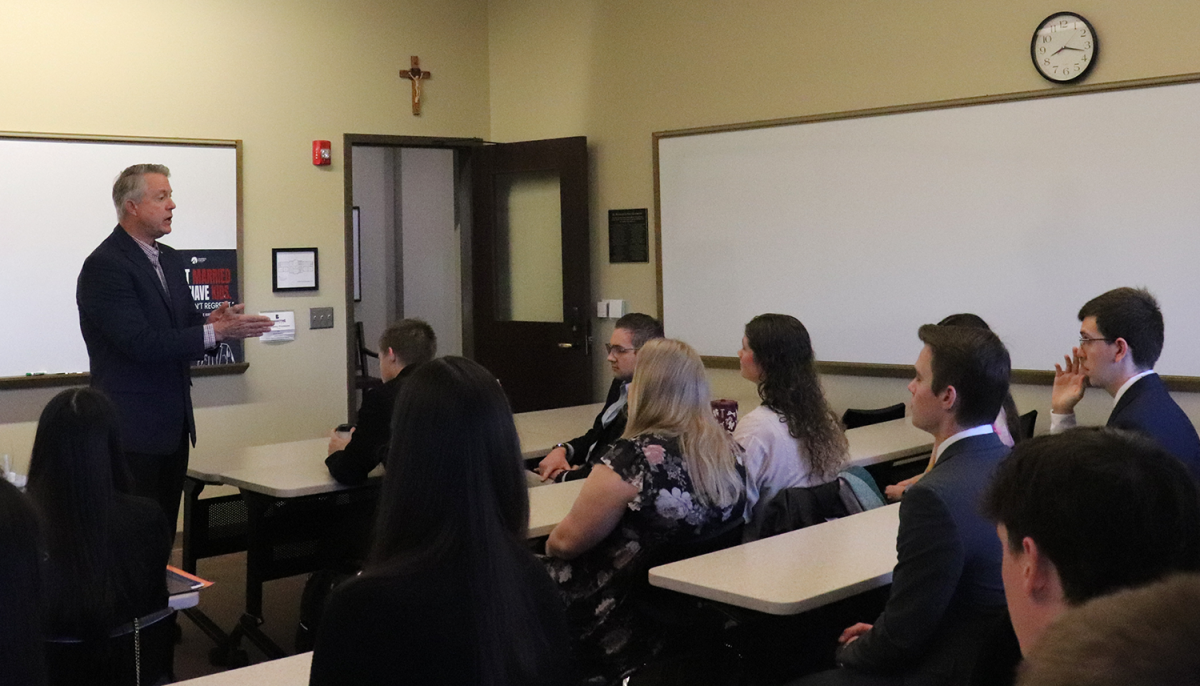
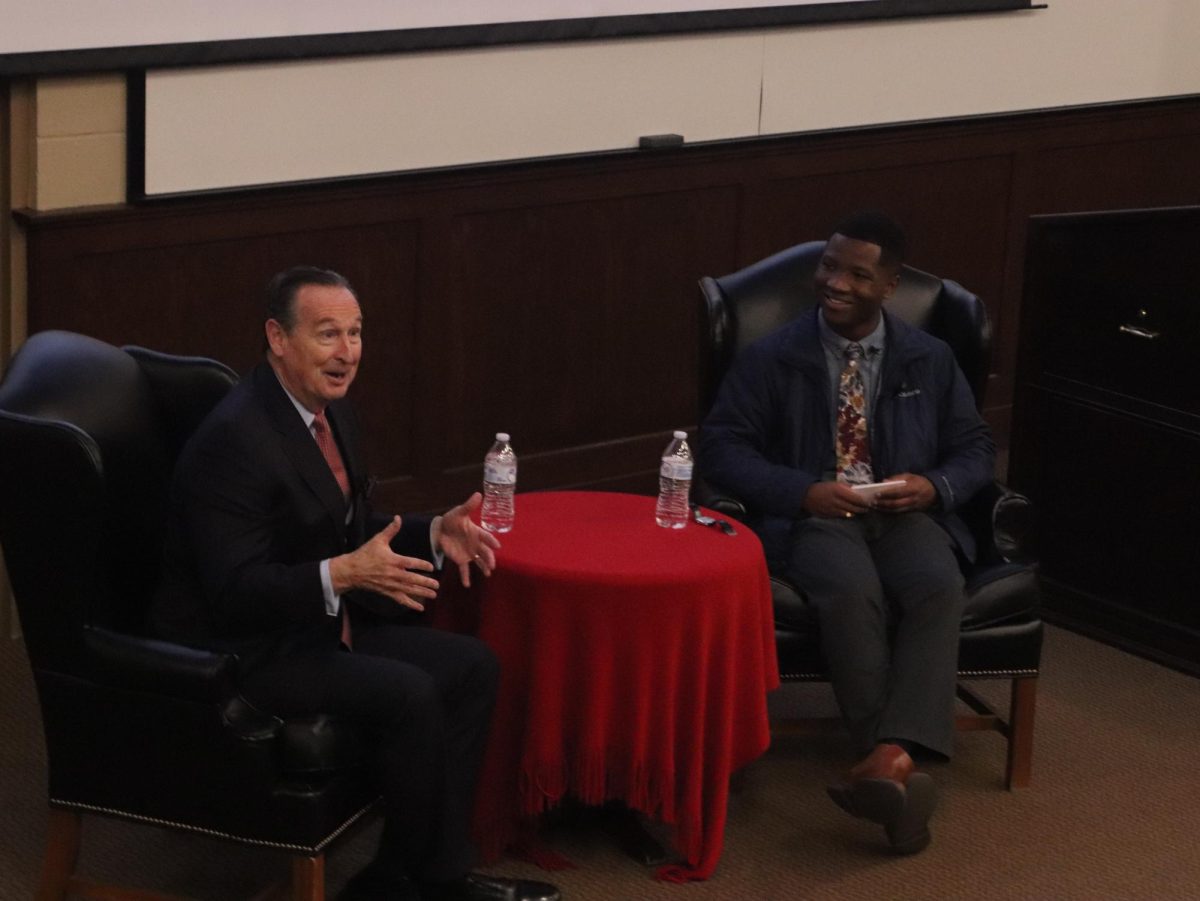
This fall, the club and the Center will host several major events, beginning on Nov. 18, Anton Barba-Kay will speak. Additional guests are planned for the spring semester. Students interested in joining can attend meetings twice a month or sign up through the Center’s website and email list. Participation is open to all majors and backgrounds — no technical experience required.
A club dedicated to this mission is particularly relevant as discussions about artificial intelligence, automation, and biotechnology continue to evolve. The Technology and Human Dignity Student Club provides a space for students to explore these issues through the lens of Catholic social teaching — to discern not only what technology can do, but what it should do.
“[Students] can pursue their vocations beyond college in our highly technologized environment with great moral courage, hope, and an appreciation of the relevance of the riches of the Catholic intellectual tradition for every age,” Courtois emphasized.
By grounding technological inquiry in the Catholic intellectual tradition, the Center and its student club invite the Benedictine community to reflect on what it means to be human in an age of machines.