


















On Sunday after Easter, most people, especially college students, have already moved on. The chocolate is eaten, the long weekend is over, and the weight of the final stretch of the semester has settled back in. We are focused on midterm grades that didn’t go as well as we planned, preparing for final exams, and seniors are savoring their last days with college friends.
But the Church hasn’t moved on yet.
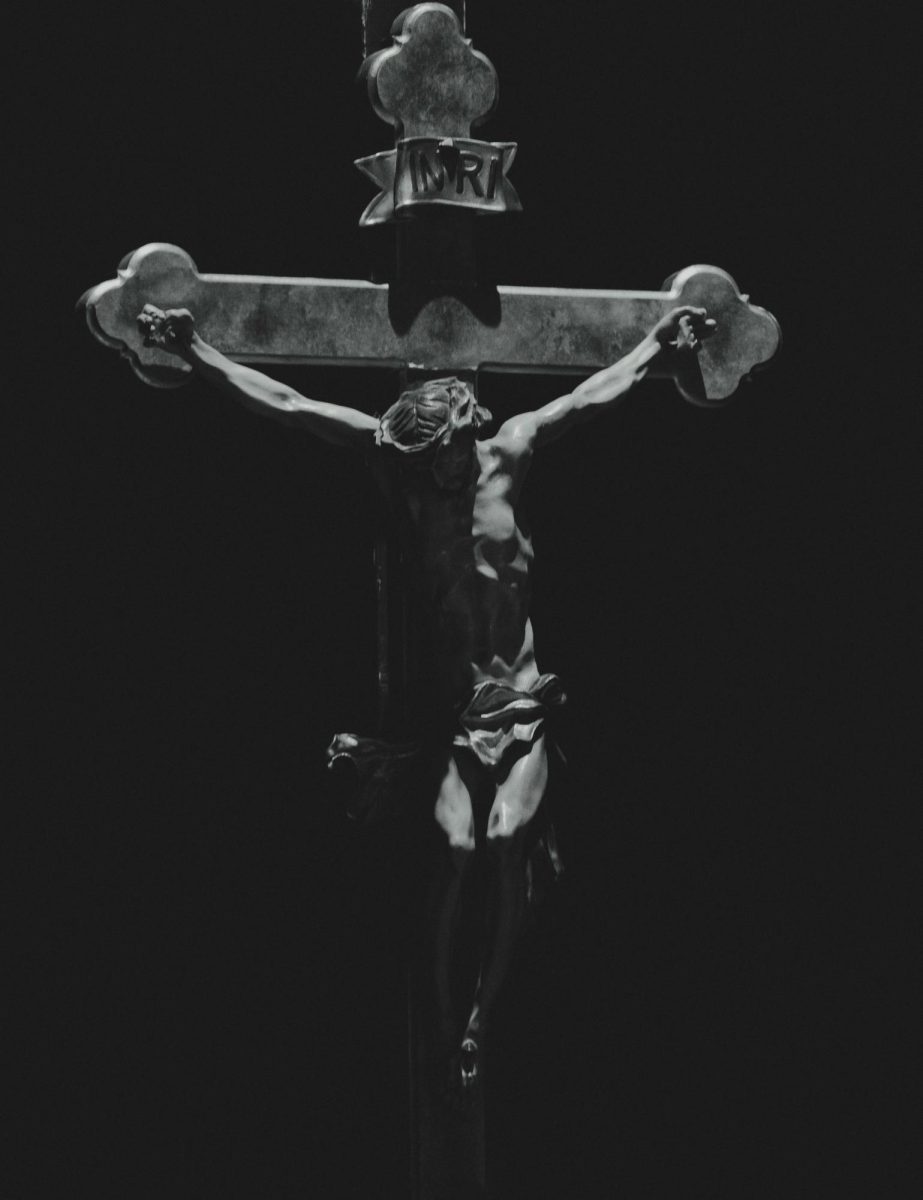
Divine Mercy Sunday, celebrated on the first Sunday after Easter, is one of the most quietly radical feasts in the Catholic calendar. It doesn’t come with ashes or fasting or the dramatic austerity of Lent. It comes with something harder to accept: the offer of total forgiveness. No conditions. No catches. Just mercy, offered freely to anyone willing to receive it.
That’s a difficult thing to sit with on a college campus.
We are a generation fluent in the language of accountability. We know how to apologize publicly, how to acknowledge harm, and how to hold others to standards. What we’re less practiced at is the private, personal act of accepting that we ourselves might be forgiven, not after we’ve sufficiently punished ourselves, not once we’ve earned it back, but now, as we are, still mid-mistake.
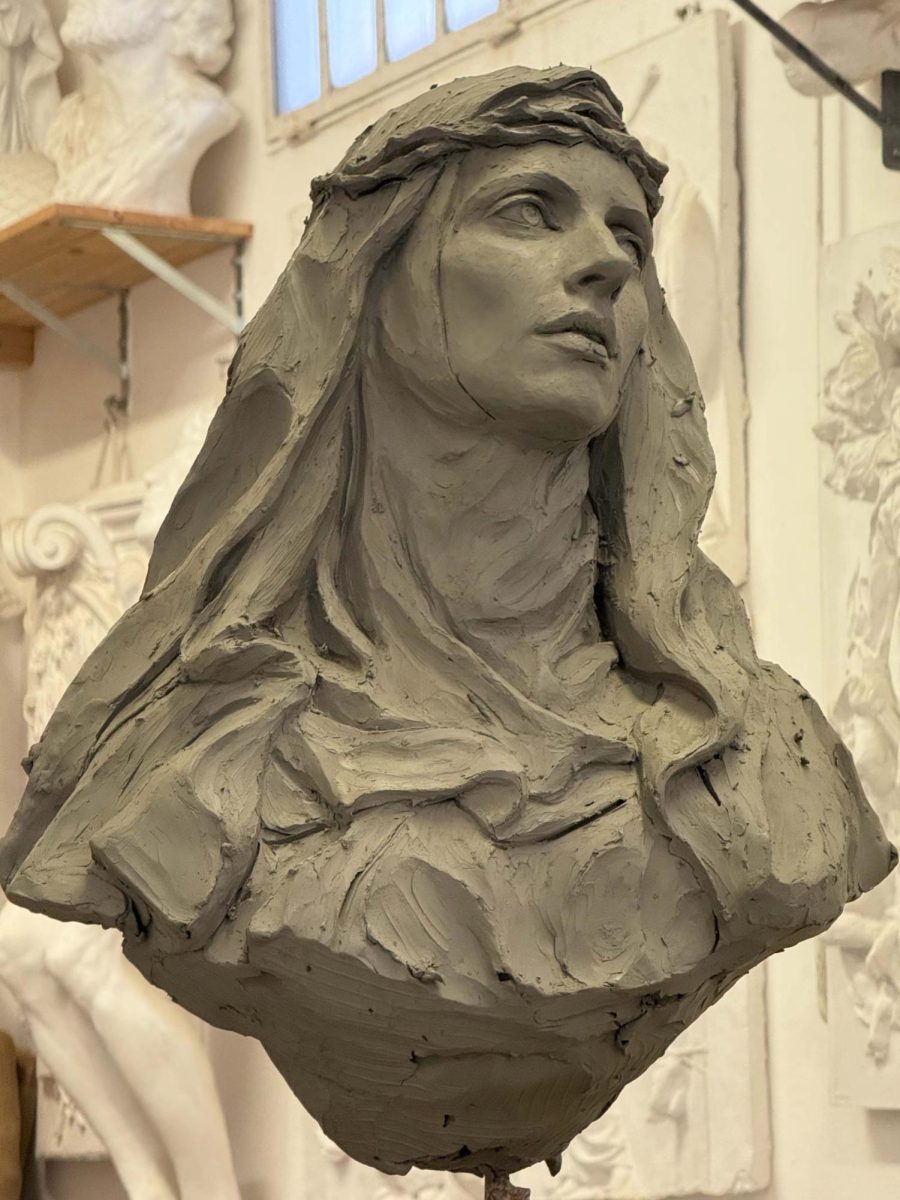
The devotion associated with Divine Mercy Sunday traces back to Saint Faustina Kowalska, a Polish nun who recorded visions of Christ asking humanity to trust in his mercy completely. The message she received was almost embarrassingly simple: Trust. Ask. Receive. No elaborate penance. No waiting period. Just the terrifying vulnerability of letting grace actually reach you.
There’s a particular kind of exhaustion that comes not from doing too much but from never fully forgiving yourself for not doing enough. We drag our failures behind us like evidence we’re building a case against our own potential. Divine Mercy Sunday interrupts that case. It suggests that the verdict was already delivered, and it wasn’t what we expected.
This is not an excuse for complacency. Mercy without change is just permission to stay stuck. But change without mercy is just punishment with better branding. The feast asks us to hold both: the honest acknowledgment of where we’ve fallen short, and the equally honest willingness to stop using that as the defining story of who we are.
Easter doesn’t end on Easter Sunday. The Church keeps the resurrection alive for fifty days for a reason, because one morning isn’t enough to absorb what it means. Divine Mercy Sunday is week one of that project. It’s the feast that says: the door is still open. You didn’t miss it. Come in.
