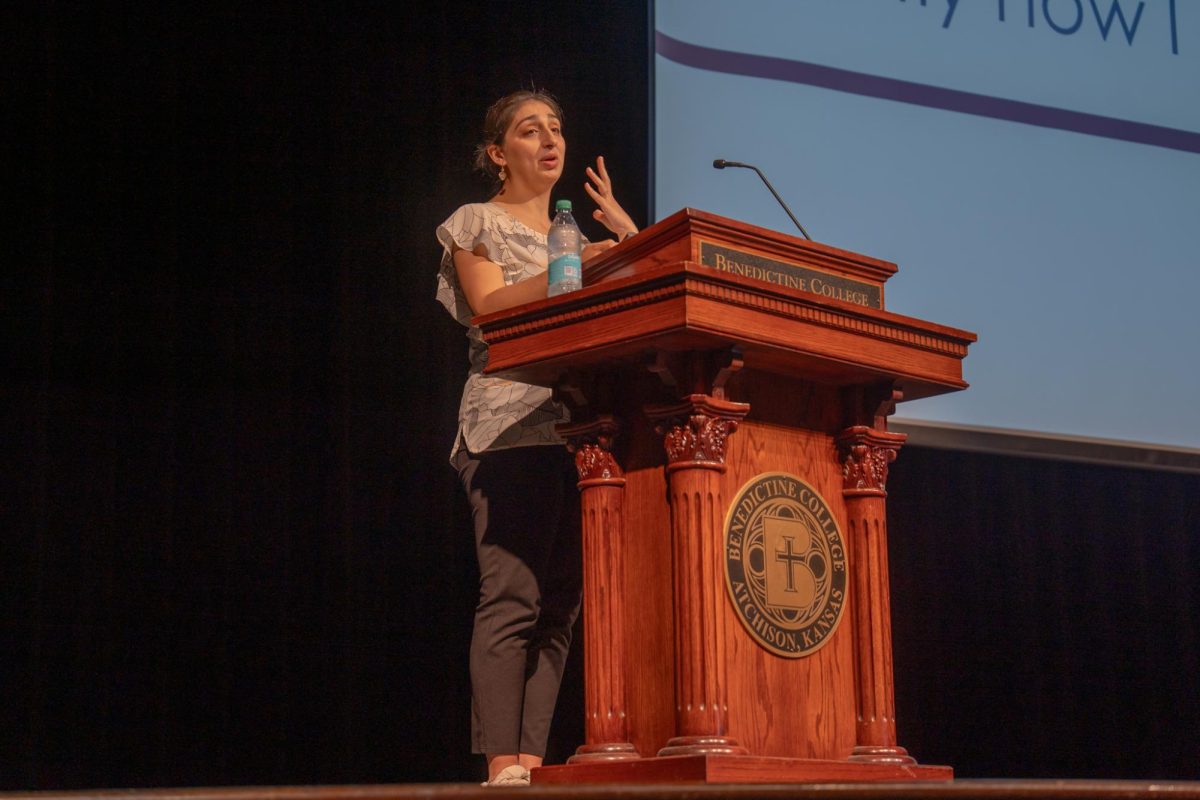






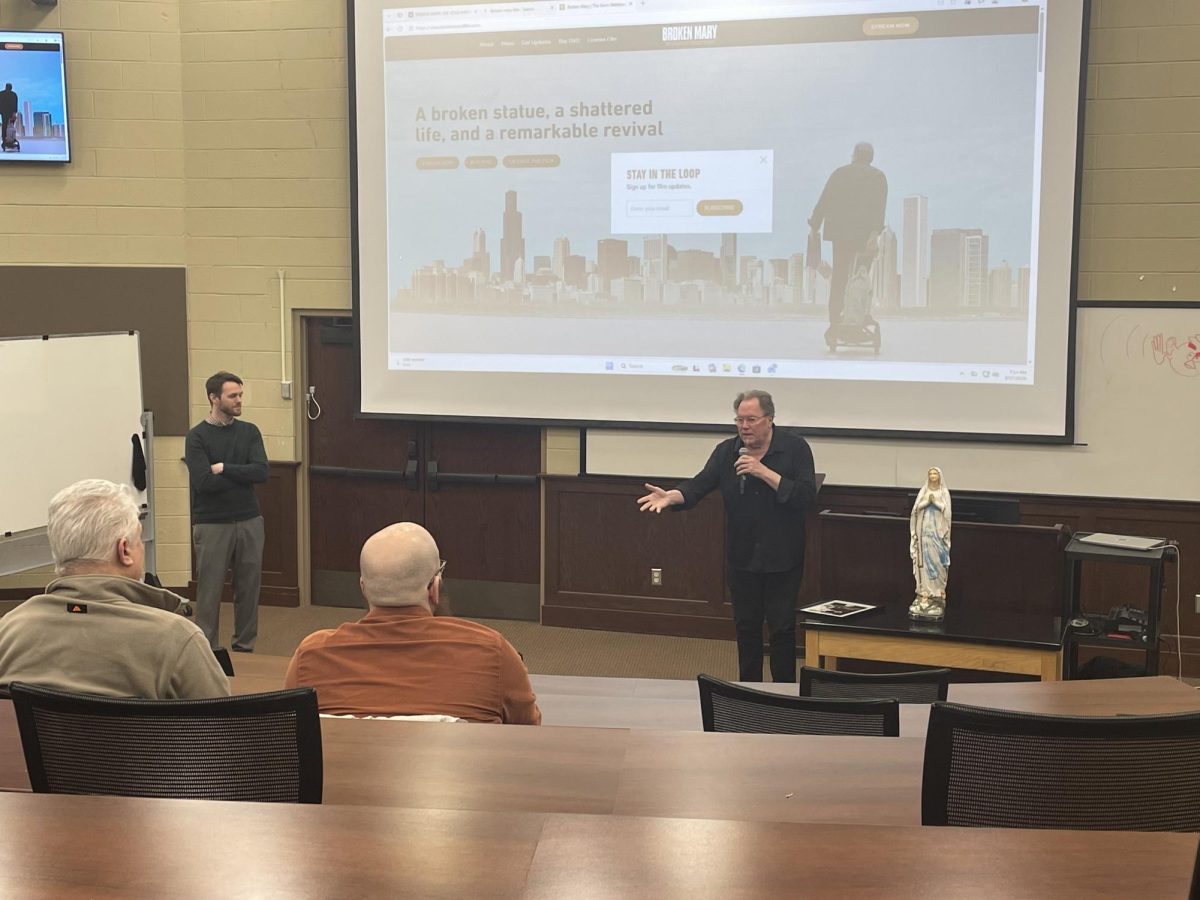









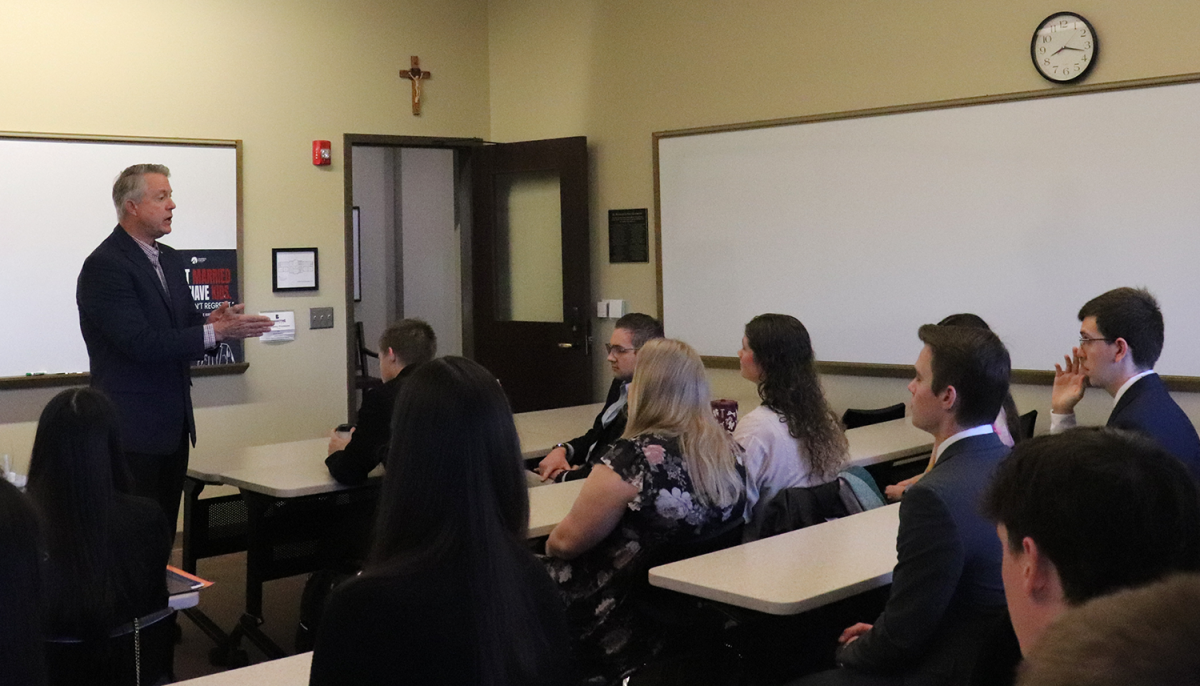
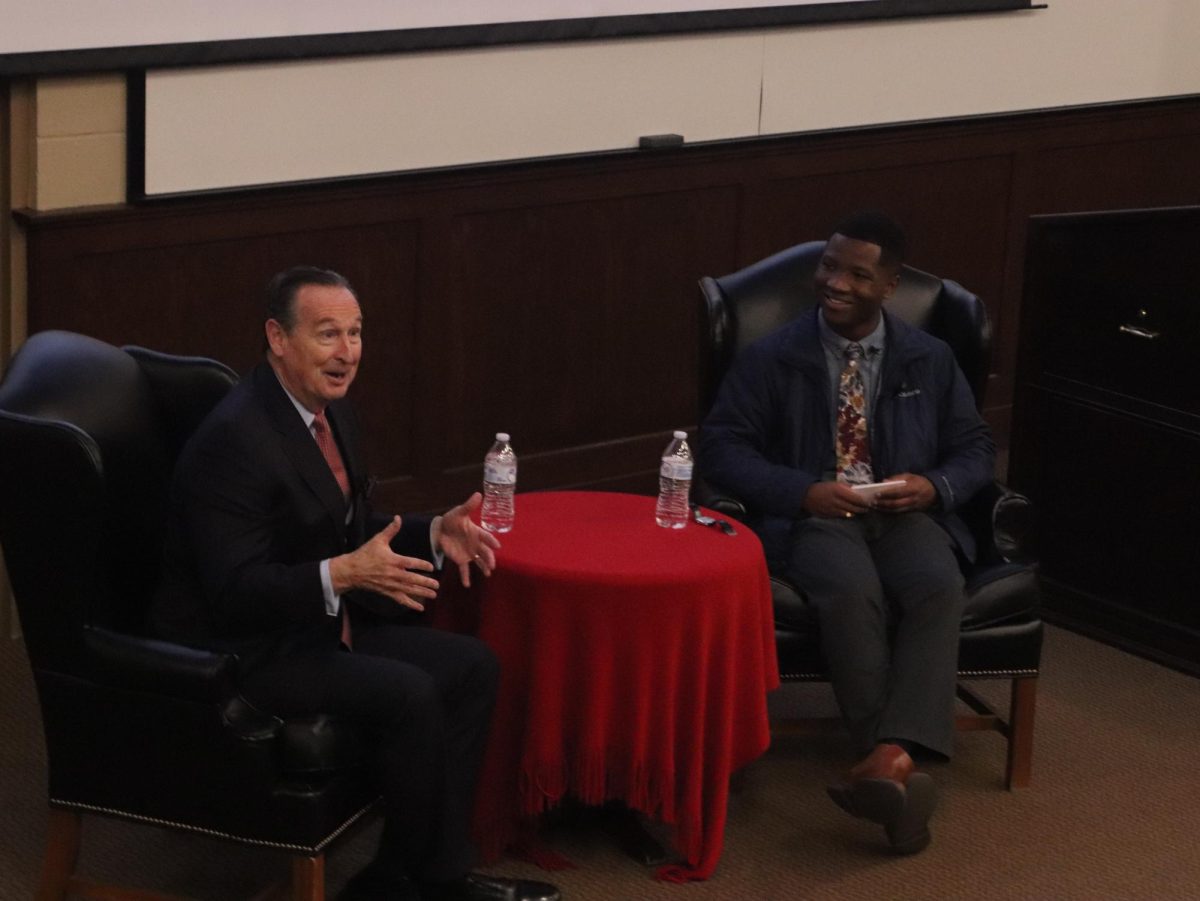









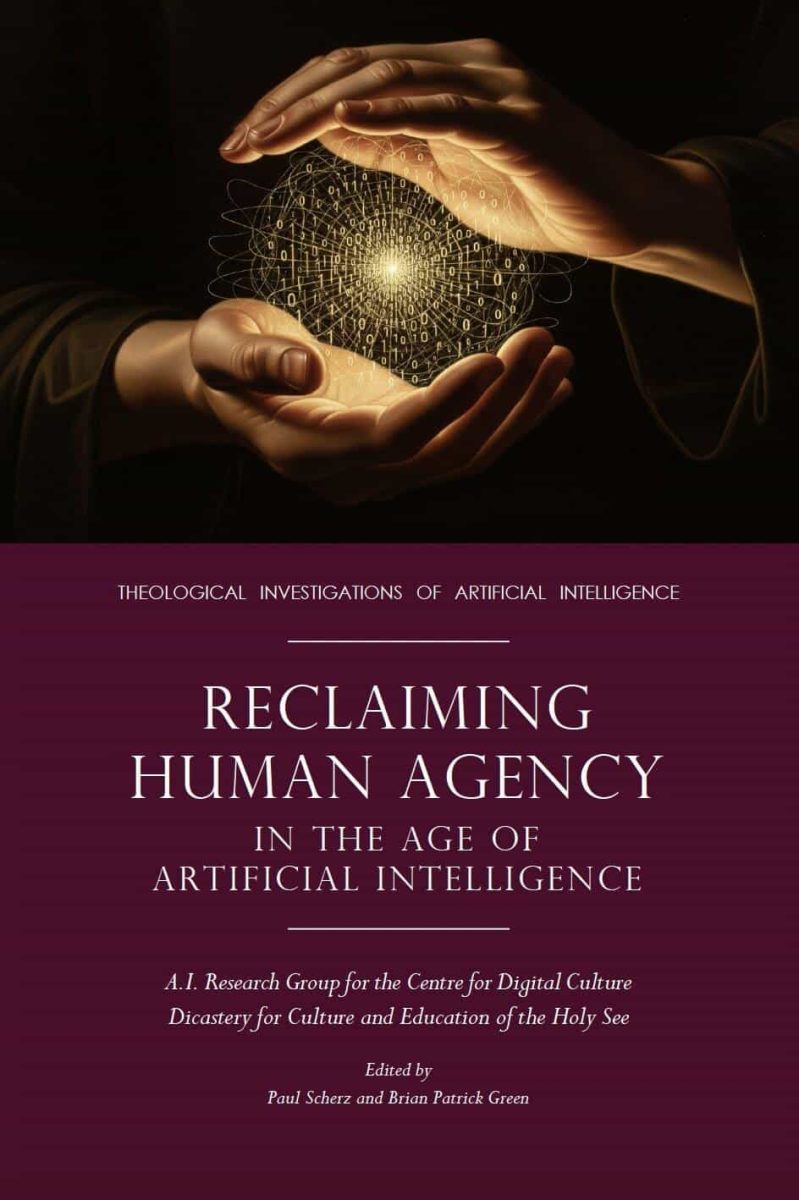








It’s no secret that AI is advancing at an unbelievable speed, seemingly outstripping society. On February 10th, the Center for Technology and Human Dignity hosted a panel of professors, including Dr. Anthony Crifasi, Dr. Nickolas Hein, Dr. Jeremy Sienkiewicz and Dr. Mariele Courtois, to discuss the Vatican’s new book, “Reclaiming Human Agency in the Age of Artificial Intelligence.”
Dr. Courtois served on the Discastery for Culture and Education and is a co-author of the book. She opened the discussion by outlining four themes from the book: human agency as a divinely given vocation; the dangers of AI short-circuiting human decision-making; the rapidification of society; and lastly, the human person and the dignity of work.
Building on these themes, Dr. Sienkiewicz explored how human freedom is conditioned by factors in the surrounding environment, such as family and culture. This is neither negative nor a limitation on our freedom; it is simply a natural consequence of the human person not being a standalone creature but a creature born for relationships.
Continuing the discussion, Dr. Hein noted the risk that the use of AI strips us of the opportunity to receive God’s grace and to grow in virtue. He also explores the challenges of our current situation at the dawn of AI, noting that it is often difficult to predict outcomes in such pivotal technological developments.
Lastly, Dr. Courtois noted that AI lacks a conscience because it has no capacity for empathy, a basic human capacity that relies on consciousness.
A question that concerns many Gen Z students and young professionals is how to apply this understanding of AI in their lives, given that the current workforce largely relies on AI. Dr. Seinkiweicz addressed this question by providing insight into what our relationship with AI entails in practice. As in life, there are no hard-and-fast rules for us to simply check a box; rather, we need to be constantly discerning. The ongoing question becomes: Does this help fulfill human nature?
As machinery accelerates the pace of work, professionals are expected to produce more and more quickly. Many workplaces treat employees like machines rather than human beings, raising the question of whether individuals are willing to have their worth measured primarily by speed and productivity. If Gen Z and young professionals desire to be treated as human persons, they may at times need to decline certain opportunities. Others may view such decisions as unrealistic or old-fashioned, yet Christ never promised popularity in this life.