











































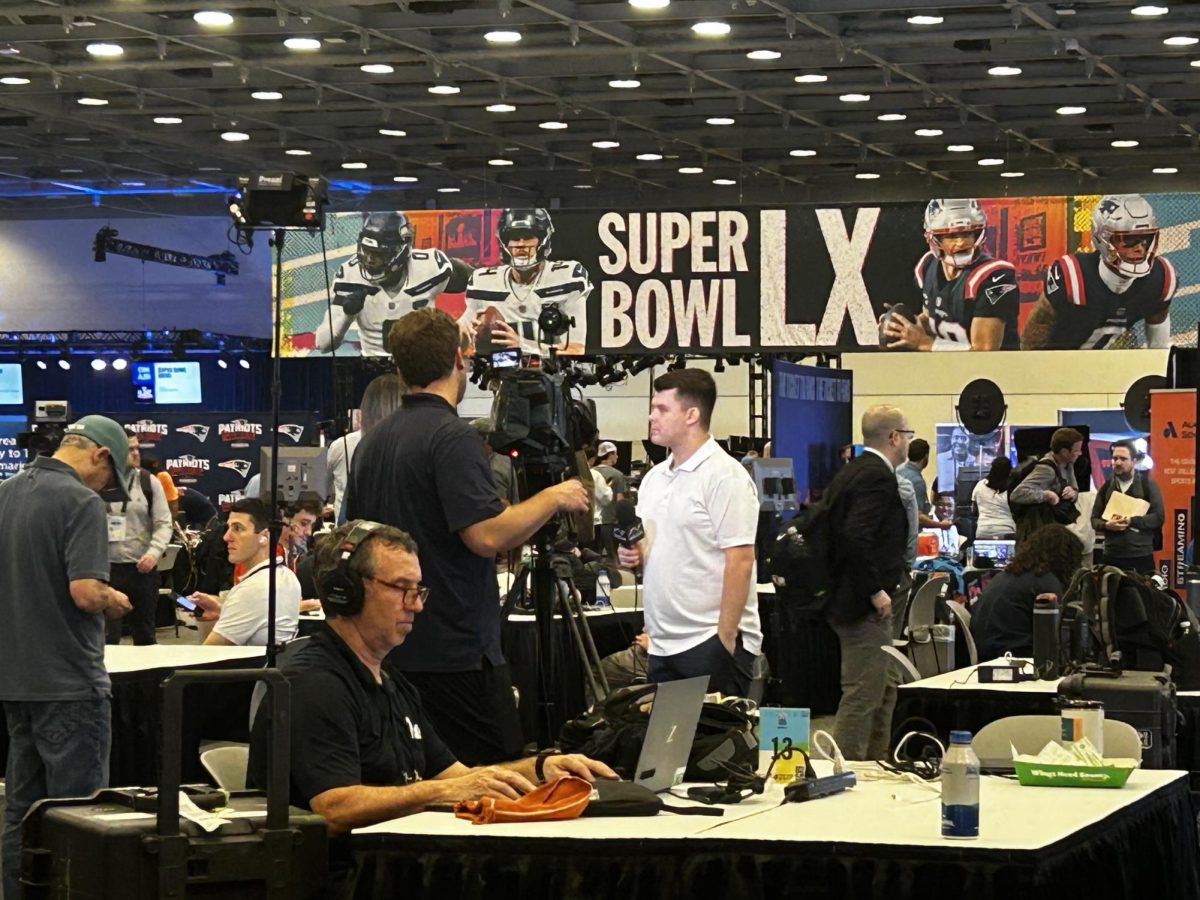
Each year, the Super Bowl draws an audience that extends far beyond devoted football fans. In a media landscape defined by personalization and on-demand viewing, it remains one of the few events capable of commanding widespread, simultaneous attention. That distinction alone gives the Super Bowl cultural significance beyond the game itself.
While it is ultimately a football championship, the Super Bowl functions as a broader media event: one that blends sport, entertainment, advertising, and social ritual into a single evening. Its power lies not only in competition on the field, but in its ability to create a shared experience at a time when such moments are increasingly rare.
The event’s resistance to modern viewing habits is notable. Most television can be paused, skipped, or consumed weeks later. The Super Bowl cannot. It is live, time-bound, and socially relevant in real time. To miss it is to miss a cultural reference point that will shape conversations the following day.
Advertising plays a central role in this dynamic. Super Bowl commercials are not treated as interruptions, but as creative showcases. Companies invest heavily for brief airtime, seeking not immediate sales, but visibility, memorability, and cultural relevance. The value of these ads lies in their afterlife, how they are discussed, shared, and remembered once the game ends.
The halftime show operates under the same logic. Designed for spectacle and mass appeal, it reaches audiences well beyond traditional football viewership. Performances are replayed, dissected, and circulated across platforms, often becoming the most enduring moments of the night.
What sustains the Super Bowl’s reach is its accessibility. Viewers need not follow football closely to participate. Music, advertising, food, and social gathering offer multiple points of entry, allowing the event to function as both entertainment and communal ritual.
On college campuses and in households across the country, the Super Bowl frequently serves as a social anchor rather than a strictly athletic contest. Its significance lies in watching together: reacting in real time and sharing a moment widely recognized as culturally important.
Ultimately, the Super Bowl’s lasting power is rooted in attention. Once a year, it concentrates public focus in a fragmented media environment. In doing so, it offers a reminder of the enduring value of shared experience: something increasingly rare, and therefore increasingly meaningful.